From Drawing to Reality: The Different Types of Models in Industrial Design
25.02.2026

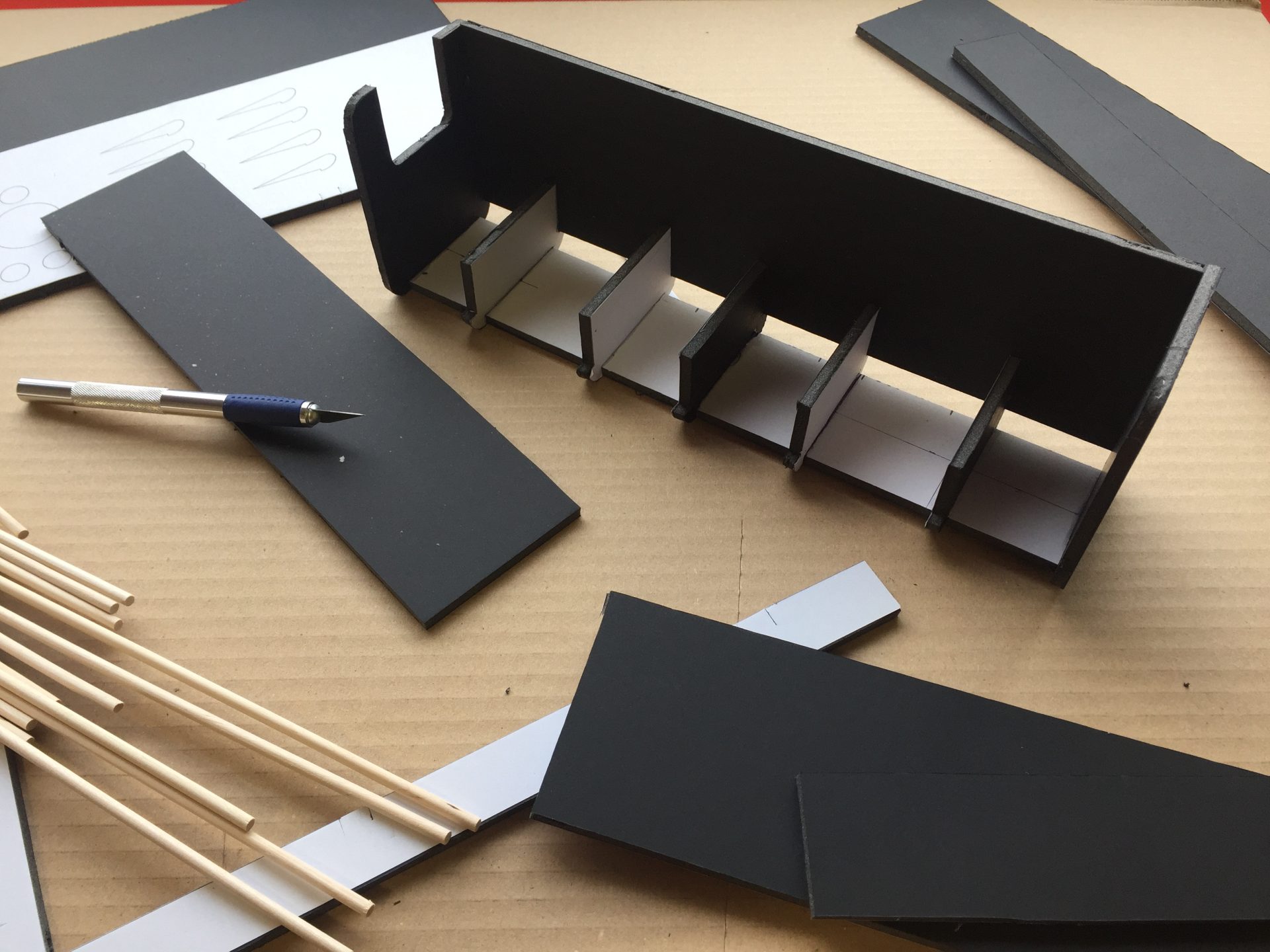
In industrial design, an idea never stays on paper for very long. To design the next must-have smartphone, an ergonomic chair or a revolutionary coffee machine, designers have to go through a crucial stage: the model.
But did you know that there are several types of models , each with a very specific role in developing a product? From the first cardboard draft to the perfect 3D-printed replica, let’s take a look behind the scenes of industrial creation.
1. The Study Model (or “Rough”)
Giving shape to the idea, quickly and well
This is the very first physical step after the sketches. A study model is not meant to look good, but to be quick to make.
-
Materials used: Cardboard, polyurethane foam, polystyrene, modelling clay, or even Lego!
-
Purpose: To validate volumes, test proportions in space and see whether the idea holds up. It is the ideal tool for “thinking with your hands” and making mistakes quickly, without wasting time or money.
2. The Ergonomic (or Functional) Model
A product can be beautiful, but if it is impossible to handle, it is a failure. The ergonomic model focuses on the interaction between the object and the user.
-
Purpose: To test grip, weight, the accessibility of buttons or comfort.
-
Example: For a video game controller, a model is made to check whether the fingers naturally reach all the triggers, even if the object does not switch on at all.
3. The Appearance Model (or Aesthetic Model)
The perfect visual clone
Here, we move into another dimension. The appearance model does not work (the electronic circuits are dummies or missing altogether), but it looks 100% like the final product.
-
Materials used: Resin, injection-moulded plastic, light metals, with meticulously finished paintwork and textures.
-
Purpose: To win people over. It is used for marketing photo shoots, to present the project to investors, or to sign off colours and textures once and for all (the well-known CMF stage: Colour, Material, Finish).
4. The Prototype (or Technical Model)
The ultimate test before manufacturing
The prototype brings together everything that came before. It must look like the final product AND work exactly like it.
-
Purpose: To validate the internal engineering, test the strength of the materials, check that the parts fit together perfectly and that the electronics run without bugs. It is the last safety barrier before launching mass production in the factory .