INNOVATION TAX CREDIT SUPPORT
ENTRUST THE PROTOTYPE OF YOUR NEW PRODUCT TO A DESIGN STUDIO APPROVED UNDER THE FRENCH INNOVATION TAX CREDIT (CII), A SCHEME RESERVED FOR SMES.

Tamim DaoudiIndustrial designer · Strasbourg
CII: WHAT THE FRENCH INNOVATION TAX CREDIT PROVIDES FOR SMES
The Innovation Tax Credit (CII, Crédit d’Impôt Innovation) is a French tax scheme that helps SMEs fund the design of prototypes or pilot installations for new products. Its rate is 20% of eligible expenditure, taken into account up to €400,000 per year, which means a maximum credit of €80,000 per year (French General Tax Code, Code général des impôts or CGI, Article 244 quater B, I and II k).
Industrial design naturally has its place here: improving the ergonomics, functionality or eco-design of a product before it is placed on the market is precisely what a design study sets out to do.
The key rules, in the version in force in November 2026:
- Eligible companies: industrial, commercial or agricultural companies taxed on the basis of their actual profits that meet the European definition of micro, small and medium-sized enterprises (Annex I to Regulation (EU) No 651/2014).
- New product: a tangible or intangible good that is not yet available on the market and that stands out from existing products through superior performance in terms of technology, eco-design, ergonomics or functionality.
- Prototype: an item that is not intended to be placed on the market, but to serve as a model for making this new product. Only the design phase is covered, not series production.
- Increased rates: 60% in the French overseas departments; in Corsica, 35% for medium-sized enterprises and 40% for small enterprises.
- Duration: the scheme applies to expenditure incurred up to 31 December 2027.
The credit is set against the corporation tax or income tax due for the year in which the expenditure was incurred. Any excess becomes a claim on the French State, which can be used for three years and is then refunded; SMEs within the European definition can request an immediate refund (CGI, Articles 199 ter B and 220 B).
WHICH DESIGN EXPENSES CAN QUALIFY FOR THE INNOVATION TAX CREDIT?
For operations to design prototypes or pilot installations for new products, Article 244 quater B (II, k) of the French General Tax Code includes in particular:
- the costs of staff directly and exclusively assigned to these operations, for example the engineers or project managers in your SME who work on the study;
- depreciation allowances for equipment acquired new and directly assigned to the design of the prototypes;
- the costs of obtaining and maintaining patents, the costs of filing designs and models, and the costs of defending them, when they relate to these operations;
- operations entrusted to approved companies or design and engineering offices.
This last point is decisive for an outsourced design study: it only counts towards the CII base if the service provider is approved. Approval is granted by the minister responsible for research or by the minister responsible for industry, after an examination of the provider’s human and material resources (CGI, Annex III, Article 49 septies I quinquies). The Tamim Daoudi studio is approved under the Innovation Tax Credit: the prototype design studies you entrust to it can therefore be included in your base, under the conditions and within the limits laid down by law. For the other service providers on your project, including any engineering design office, ask for the approval decision that applies to them before including them in your calculation base.
Finally, public subsidies received for these same operations are deducted from the calculation base of the credit (Article 244 quater B, III).
HOW DOES A PROTOTYPE DESIGN STUDY WORK UNDER THE CII?
Although it is approved under the Innovation Tax Credit, the Tamim Daoudi studio is not a tax advisory firm: it does not prepare your claim and does not give an opinion on the eligibility of your expenditure. Its role is to lead the design of your prototype methodically, so that your innovation process is clear to your chartered accountant or adviser.
- Specifications: together we formalise the intended uses, the expected performance (ergonomics, functionality, eco-design, technical) and what sets your product apart from existing solutions.
- Research phase: three creative directions are developed with you and your users, based on sketches, 3D models, photorealistic renderings and general arrangement drawings.
- Models and prototypes: appearance models are made in the studio, notably by 3D printing; functional prototypes are developed with our mechatronics partners, then tested by users.
- Development: with an engineering design office, the chosen direction is optimised using a design for manufacturing (DFM) approach, up to the final prototype.
At every stage, the deliverables (specifications, sketches, digital models, drawings, user test feedback) keep a record of the design process. Your adviser can rely on them to document your Innovation Tax Credit claim.
This is the method of our design engineering service, which brings designers and engineers together from the specifications stage. Series production, which falls outside the scope of the CII, is then covered by industrialisation support .
WHY ENTRUST THE DESIGN OF YOUR PROTOTYPE TO THE TAMIM DAOUDI STUDIO?
An industrial designer for more than 20 years, Tamim Daoudi set up his studio in Strasbourg in 2010. He works exclusively for businesses (start-ups, SMEs and large groups) on technical products where innovation is as much about use as about technology, and he works throughout France.
In practical terms, you benefit from:
- a studio approved under the Innovation Tax Credit: the design study for your prototype can be included in your CII base;
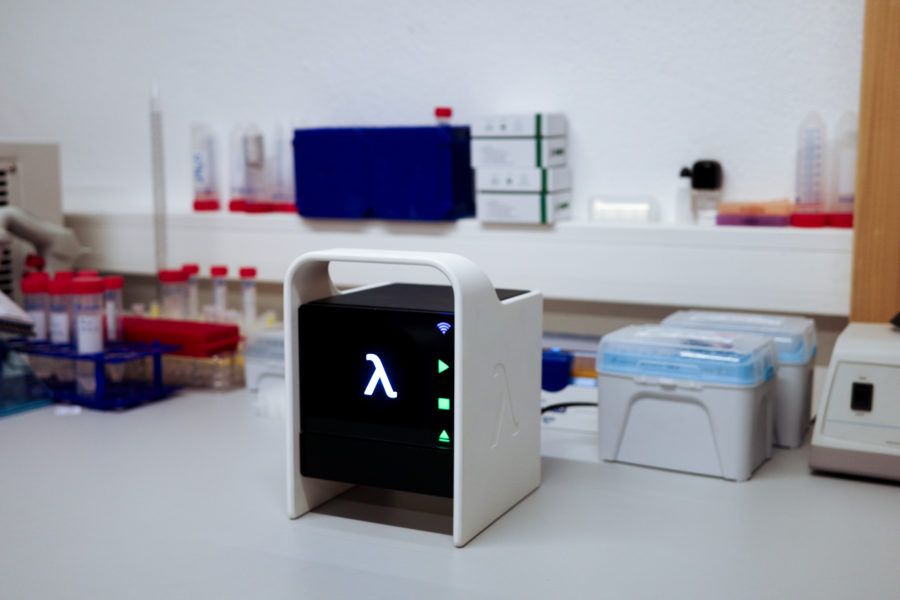
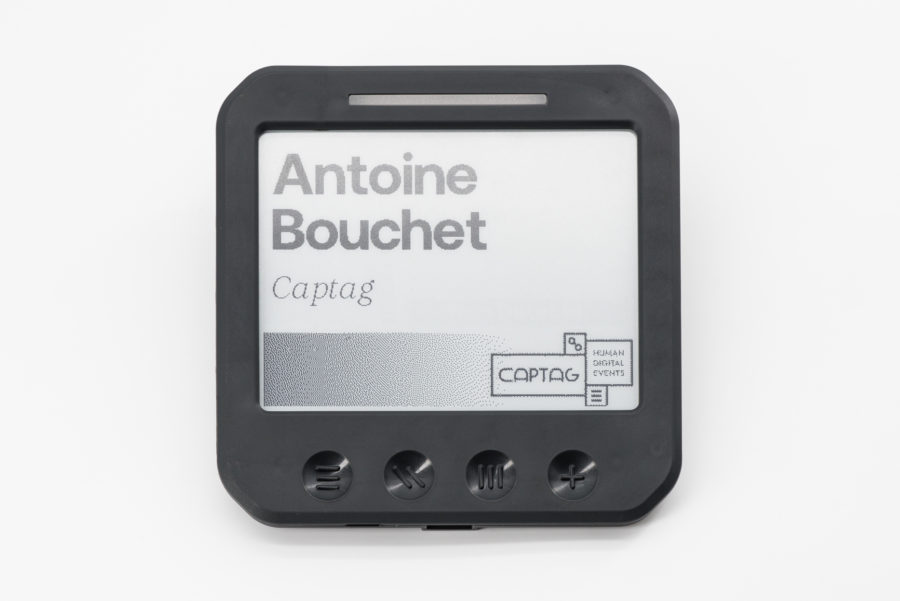
- experience in designing new products in medtech, deeptech and industry: the Red One cytometry platform for Redberry, the Spartha medical vaporiser, the Captag connected badge;
- a network of engineering and mechatronics design offices, prototype makers and manufacturers;
- an award-winning designer: Red Dot Design Award, Janus award (Industry), Janus award (Health);
- Bpifrance expert status, which makes it possible to fund 50% of a Bpifrance Design Diagnosis (Diag Design) (see our offers ).
Please note: this page summarises the rules of Article 244 quater B of the French General Tax Code in force in November 2026; they may change with each Finance Act. It does not constitute tax advice. Have the eligibility of your project and your expenditure confirmed by your chartered accountant or a tax adviser. A request for an advance tax ruling (rescrit) can also be submitted to the tax authorities at least six months before the deadline for filing the special return (Livre des procédures fiscales, the French Tax Procedure Code, Article L. 80 B, 3°).

Where does Tamim Daoudi offer Innovation Tax Credit prototype design?
Based in Strasbourg, the studio is not tied to one region: Tamim Daoudi works with companies all over France on their Innovation Tax Credit prototype design projects. He comes to your premises for the key stages (scoping workshops, design reviews, user testing, follow-up at the manufacturer’s) and runs the rest of the project remotely, just as responsively.
He works throughout France, including in Paris, Lyon, Marseille, Toulouse, Nice, Nantes, Montpellier, Strasbourg, Bordeaux, Lille, Rennes, Reims, Toulon, Saint-Étienne, Le Havre, Grenoble, Dijon, Angers, Nîmes, Clermont-Ferrand, Aix-en-Provence, Brest, Tours, Amiens, Limoges, Metz, Besançon, Perpignan, Orléans, Rouen, Mulhouse, Caen and Nancy.
Wherever you are, a first video call is enough to scope your needs.
Contact meFrequently asked questions: Innovation Tax Credit support
What is the Innovation Tax Credit (CII)?
The Innovation Tax Credit (Crédit d’Impôt Innovation) is a French tax measure reserved for SMEs, set out in Article 244 quater B (II, k) of the French General Tax Code. It covers expenditure on the design of prototypes or pilot installations for new products, in other words products that are not yet on the market and that perform better than existing ones in terms of technology, eco-design, ergonomics or functionality. It applies to expenditure incurred up to 31 December 2027.
How is the Innovation Tax Credit calculated?
The credit is equal to 20% of eligible expenditure, taken into account up to €400,000 per year: it can therefore reach €80,000 per year. The rate rises to 60% in the French overseas departments, and to 35% or 40% in Corsica depending on the size of the company. Public subsidies received for the same operations are deducted from the calculation base (CGI, Article 244 quater B).
Which companies can benefit from the CII?
The CII is reserved for industrial, commercial or agricultural companies taxed on the basis of their actual profits that meet the European definition of micro, small and medium-sized enterprises (Annex I to Regulation (EU) No 651/2014). In short: fewer than 250 employees, and annual turnover not exceeding €50 million or a balance sheet total not exceeding €43 million. Links with other companies are taken into account in this calculation.
Can a design study qualify for the Innovation Tax Credit?
Yes, subject to conditions. It must be part of the design of the prototype of a new product, not yet on the market and aiming for superior performance, for example in ergonomics, functionality or eco-design. The time your own teams spend on the study can be included; a study entrusted to an external provider only counts if that provider is approved, which is the case for the Tamim Daoudi studio. Have the eligibility confirmed by your chartered accountant or a tax adviser.
Do you need an approved provider to outsource the design of a prototype?
Yes. To be included in the CII, outsourced design operations must be entrusted to approved companies or design and engineering offices (CGI, Article 244 quater B, II, k, 6°). Approval is granted by the minister responsible for research or for industry. The Tamim Daoudi studio is approved: its prototype design studies can therefore be included. For your other providers, ask for their approval decision before signing the quote.
How do you obtain the Innovation Tax Credit?
The expenditure is declared on the special Research Tax Credit (CIR) return, within the deadlines set by the tax authorities. Keep the project’s technical and accounting records: specifications, design deliverables, invoices. To secure your claim, you can ask the tax authorities for an advance ruling (rescrit) at least six months before the filing deadline for this return. Your chartered accountant or a tax adviser can support you through these steps.
Is the Innovation Tax Credit refundable?
The credit is first set against the corporation tax or income tax due for the year in which the expenditure was incurred. If it exceeds the tax due, the excess becomes a claim on the French State, which can be used over the following three years and is then refunded. SMEs within the European definition, young innovative companies and certain new companies can request an immediate refund (CGI, Articles 199 ter B and 220 B).
Does the Innovation Tax Credit still exist in 2026?
Yes. In the version in force in November 2026, Article 244 quater B of the French General Tax Code maintains the CII at a rate of 20% for expenditure incurred up to 31 December 2027, up to €400,000 of expenditure per year. As Finance Acts can change these rules every year, check them with your chartered accountant when you commit to your project.